

Choosing granite countertops is an exciting step in any kitchen or bathroom renovation, but once the stone is selected, another important question quickly follows: what is the best thickness for granite countertops? Thickness is not just a technical detail. It affects appearance, durability, cost, installation, and long-term performance. Many homeowners underestimate how much this single decision influences the final result.
For those researching countertops Dublin, GA, understanding granite thickness helps avoid common mistakes and ensures the countertop looks balanced, performs well, and fits the overall design of the space. Granite is a natural material, and its thickness determines how it behaves structurally and visually once installed.
At Granite Depot of Savannah, we regularly guide homeowners through this choice, explaining the real differences between granite thickness options and how to choose the right one for everyday use.
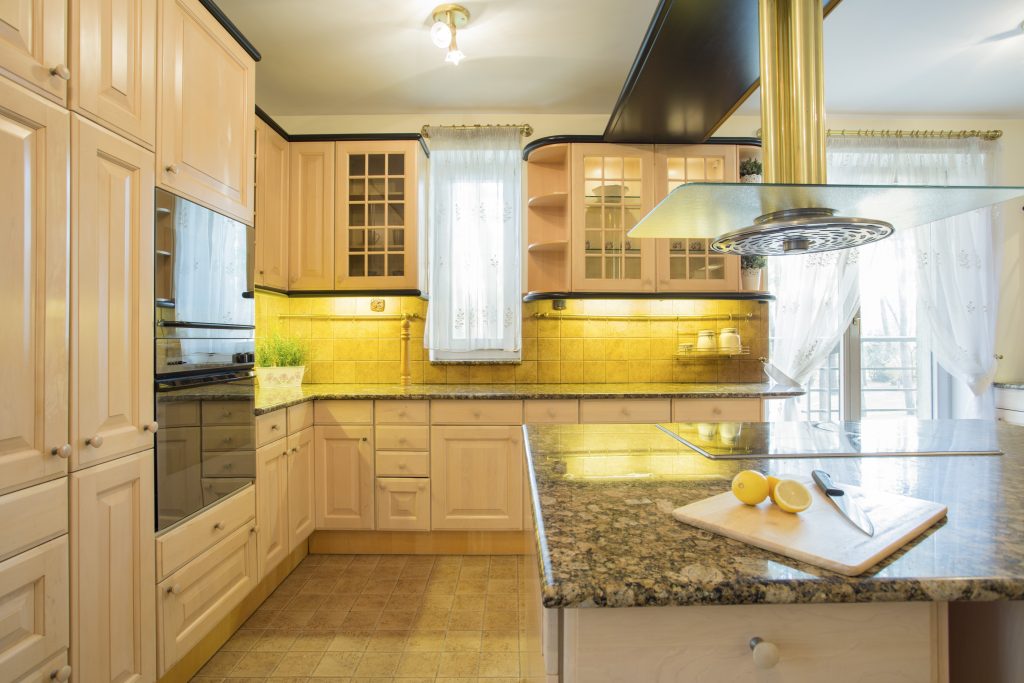
Why Granite Thickness Matters More Than Most People Expect
Granite thickness affects much more than how heavy the slab feels. It plays a role in edge profiles, overhang support, seam strength, and even how luxurious the countertop appears.
A thinner slab may reduce material costs, but it can limit design options and require additional fabrication steps. A thicker slab may cost more upfront, but it often delivers better visual impact and structural confidence.
When homeowners compare countertops Dublin, GA, thickness is one of the factors that separates a countertop that simply works from one that truly stands out.
The Most Common Granite Thickness Options
Granite countertops are typically available in two main thicknesses: approximately 2 centimeters and 3 centimeters. Each option has its place, and neither is universally “better” in every situation.
A 2 cm slab is thinner and lighter. A 3 cm slab is thicker, heavier, and more substantial. The choice between them depends on design goals, budget, cabinet structure, and personal preference.
Understanding how each thickness performs helps homeowners make an informed decision rather than choosing based on price alone.
2 cm Granite: When and Why It’s Used
A 2 cm granite slab is often chosen for projects where budget control is important or where the design calls for a lighter visual profile. This thickness is commonly used in bathrooms and in kitchens with a more streamlined aesthetic.
Because 2 cm granite is thinner, it usually requires additional support during installation. Fabricators often build up the edges to create the appearance of a thicker slab while maintaining structural stability.
For homeowners considering countertops Dublin, GA, 2 cm granite can work well when paired with proper fabrication and support. However, it does require more planning to ensure long-term durability.
3 cm Granite: The Most Popular Choice
A 3 cm granite slab is the most popular choice for kitchen countertops. This thickness offers greater strength, stability, and visual weight without the need for built-up edges.
With 3 cm granite, the stone itself provides sufficient strength for most applications. This allows for cleaner edges, fewer fabrication steps, and more flexibility in design.
Homeowners often prefer 3 cm granite for countertops Dublin, GA because it looks solid and substantial, especially on kitchen islands and long cabinet runs.
Visual Impact: How Thickness Changes the Look
Thickness plays a major role in how granite appears once installed. A thicker slab creates a bold, high-end look that feels grounded and luxurious. Thinner slabs tend to look more delicate and modern.
In kitchens, especially those with large islands or open layouts, thicker granite creates a strong visual anchor. In bathrooms, thinner slabs can feel elegant and refined without overwhelming the space.
When selecting countertops Dublin, GA, homeowners should consider how the thickness complements cabinetry, backsplash, and overall design style.
Structural Strength and Overhang Considerations
Granite is strong, but thickness directly affects how much weight it can support without reinforcement. Thicker slabs naturally handle overhangs better than thinner ones.
A 3 cm slab can often support standard overhangs with minimal additional support. A 2 cm slab typically requires reinforcement, especially for bar seating or extended edges.
At Granite Depot of Savannah, we carefully evaluate cabinet layout and overhang requirements before recommending a thickness. This ensures the countertop performs safely and reliably over time.
Edge Profiles and Design Flexibility
Granite thickness affects which edge profiles are possible. Thicker slabs allow for more dramatic edges, such as ogee or deep bevels, without compromising strength.
With thinner slabs, edge options may be limited or require laminated buildup to achieve certain looks. While this can still look beautiful, it adds fabrication steps and complexity.
Homeowners choosing countertops Dublin, GA often find that thicker granite offers more design freedom, especially when aiming for a classic or upscale appearance.
Cost Differences Between Thickness Options
Thickness does affect cost, but not always as dramatically as expected. While 3 cm granite uses more material, it often requires less fabrication labor than 2 cm slabs with built-up edges.
In some cases, the total installed cost between 2 cm and 3 cm granite can be surprisingly close. This is why comparing final project quotes rather than slab prices alone is important.
When working with Granite Depot of Savannah, homeowners receive clear explanations of how thickness impacts both material and labor costs.
Cabinet Compatibility and Installation Factors
Cabinet construction also influences the best granite thickness choice. Most modern cabinets are designed to support 3 cm granite without modification.
Thinner slabs may require additional plywood underlayment or reinforcement, which adds steps during installation.
For homeowners exploring countertops Dublin, GA, choosing a thickness that aligns with cabinet design simplifies installation and reduces potential issues later.
Durability and Long-Term Performance
Both 2 cm and 3 cm granite are durable when installed correctly. However, thicker slabs generally offer greater resistance to stress, impact, and long-term wear.
In busy kitchens with heavy use, thicker granite provides peace of mind. In low-traffic areas, thinner granite can perform just as well with proper support.
At Granite Depot of Savannah, we help homeowners match granite thickness to how the space will actually be used, not just how it looks on day one.
Modern Trends vs. Timeless Choices
Design trends come and go, but granite thickness choices tend to remain stable. Thicker granite has long been associated with luxury and permanence.
Some modern designs favor thinner profiles for a minimalist look. Both styles can work beautifully when executed thoughtfully.
For countertops Dublin, GA, the best thickness is the one that aligns with the homeowner’s lifestyle, design goals, and long-term expectations.
Common Mistakes When Choosing Granite Thickness
One common mistake is choosing the thinnest option to save money without considering reinforcement needs. Another is selecting thickness based solely on showroom samples rather than full installations.
Some homeowners also underestimate how thickness affects edge appearance and visual balance.
Working with experienced professionals helps avoid these pitfalls and ensures the granite performs as intended.
Which Thickness Is Best for Kitchens vs. Bathrooms
In kitchens, 3 cm granite is often the preferred choice due to durability, overhang support, and visual impact. In bathrooms, 2 cm granite can work very well, especially for vanities and smaller surfaces.
That said, both thicknesses can be used in either space depending on design and usage.
For homeowners selecting countertops Dublin, GA, room function plays a major role in choosing the right thickness.
How Professionals Help Determine the Right Thickness
Choosing granite thickness is not a one-size-fits-all decision. Professionals consider cabinet layout, slab size, seam placement, overhangs, and design preferences.
At Granite Depot of Savannah, this decision is made collaboratively, with clear explanations of pros and cons. This approach ensures homeowners feel confident in their choice.
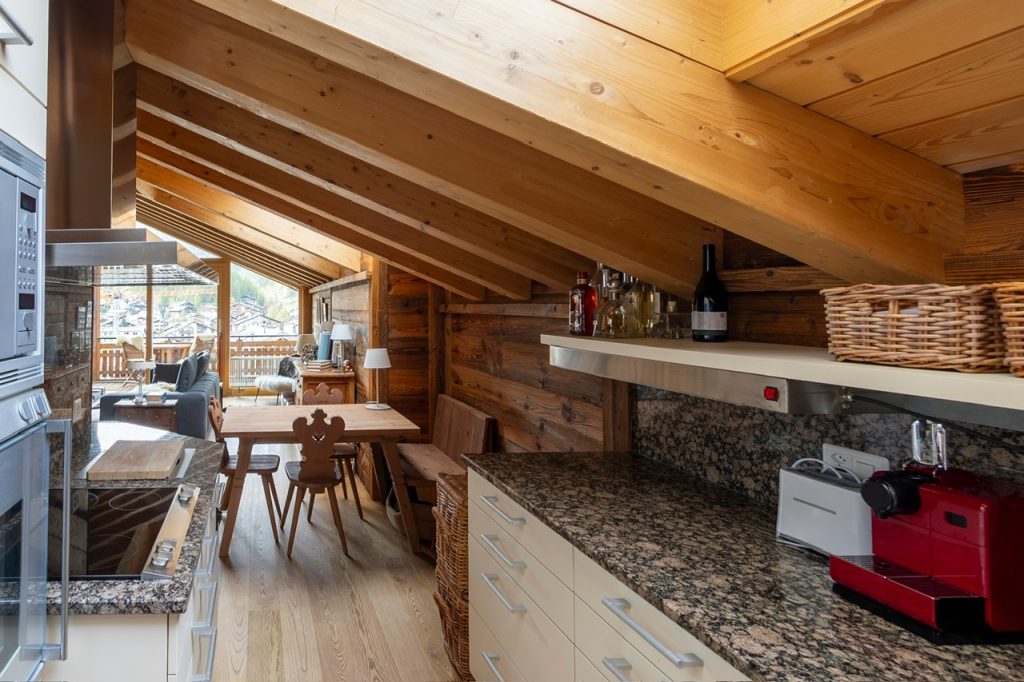
Making the Right Choice with Confidence
The best thickness for granite countertops depends on how the space is used, how the countertop should look, and how long it needs to last. Thicker granite offers strength and visual weight. Thinner granite offers flexibility and efficiency when properly supported.
For homeowners researching countertops Dublin, GA, understanding these differences leads to better decisions and better results.
Granite Depot of Savannah helps homeowners navigate these choices with experience and transparency. By choosing the right granite thickness from the start, homeowners ensure their countertops remain beautiful, functional, and durable for years to come.