

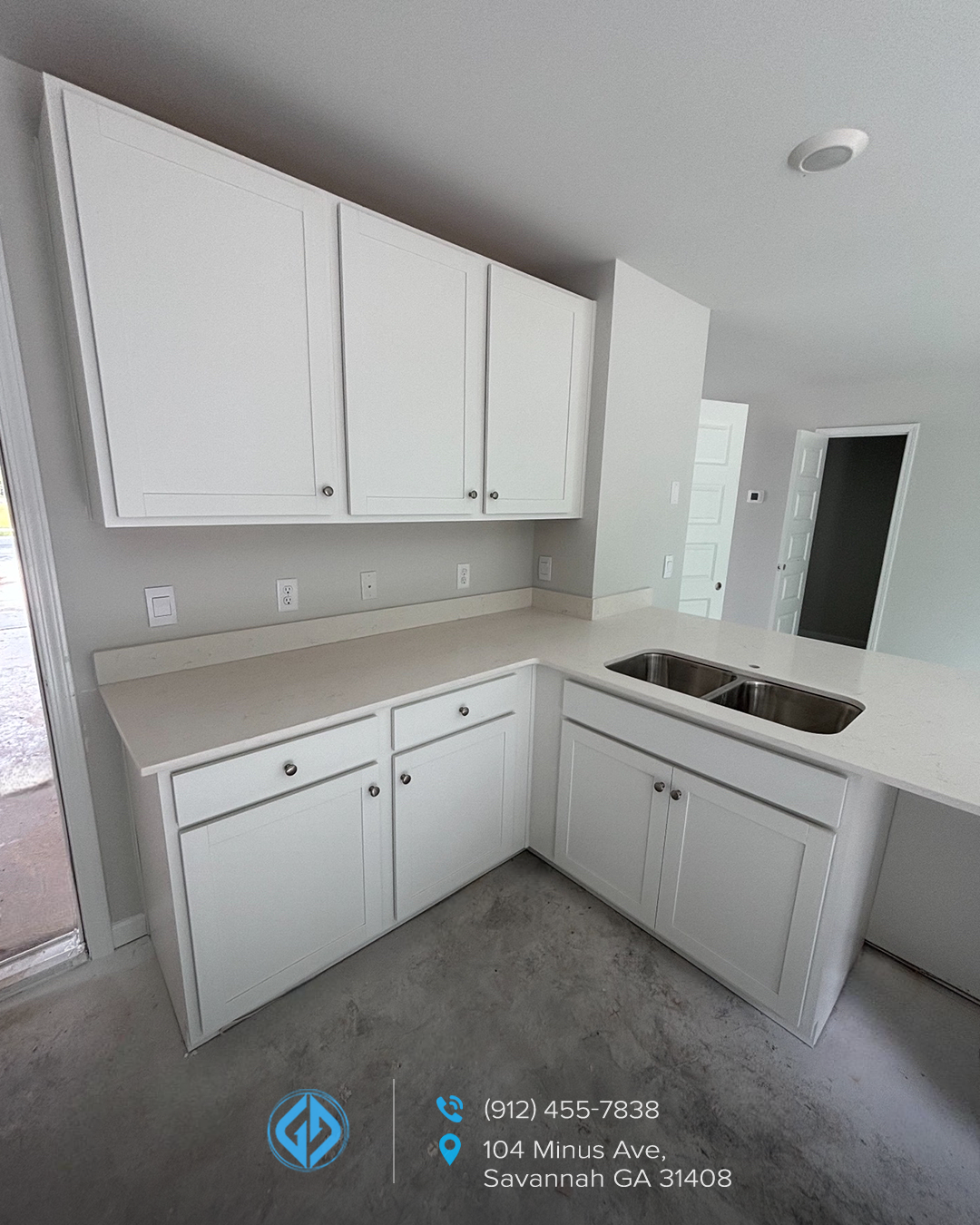
When it comes to choosing the right material for your kitchen or bathroom countertops, two materials often come up in the discussion: porcelain and quartz. Both of these materials offer distinct benefits and can enhance the overall look and functionality of your space. However, many homeowners are left wondering: is porcelain countertop better than quartz? Countertops Claxton, GA, come in a variety of materials, and understanding the pros and cons of porcelain and quartz countertops is crucial for making an informed decision.
In this article, we’ll dive into a detailed comparison between porcelain and quartz countertops, highlighting their key differences, advantages, and potential drawbacks. By the end of this article, you’ll have a better understanding of which material is better suited for your needs and how countertops Claxton, GA, can help you elevate the beauty and functionality of your home.

What Are Porcelain Countertops?
Porcelain countertops are made from a dense, non-porous material derived from clay, minerals, and water, which is fired at high temperatures to create a smooth, durable surface. Known for its strength and versatility, porcelain is often used in tile and flooring applications but has become increasingly popular as a countertop material due to its sleek look and outstanding performance.
One of the key features of porcelain countertops is their ability to mimic the appearance of natural stone, wood, and other materials. They come in a wide variety of colors, patterns, and textures, making them highly customizable. Countertops Claxton, GA, made from porcelain offer a modern and sophisticated look that can easily complement both contemporary and traditional kitchens and bathrooms.
What Are Quartz Countertops?
Quartz countertops, on the other hand, are engineered stone surfaces made by combining natural quartz crystals with resins, polymers, and pigments. Quartz countertops are non-porous, durable, and easy to maintain, making them one of the most popular choices for countertops Claxton, GA. The manufacturing process allows for a wide range of color options and patterns, which is one of the reasons quartz is so versatile and widely used in modern design.
Unlike natural stone options such as granite or marble, quartz countertops do not require sealing, making them a low-maintenance choice. Their non-porous nature makes them resistant to staining, and they are also highly resistant to scratches and chips.
Key Differences Between Porcelain and Quartz Countertops
Now that we know a little about both materials, let’s compare porcelain and quartz countertops in terms of several key factors: durability, maintenance, aesthetic appeal, cost, and environmental impact.
1. Durability
Both porcelain and quartz countertops are highly durable, but they have different strengths when it comes to wear and tear.
- Porcelain: Porcelain countertops are incredibly strong and resistant to scratches, stains, and heat. They are heat-resistant up to 1200°F, making them one of the most heat-resistant countertop materials available. However, while porcelain is strong, it is also relatively brittle, meaning it can chip or crack if struck with heavy objects.
- Quartz: Quartz is also highly durable, offering resistance to scratches, chips, and stains. However, unlike porcelain, quartz countertops are not as heat-resistant. While quartz can withstand normal kitchen heat, it’s important to use trivets or heat pads to protect the surface from extreme temperatures, as direct contact with hot pans or pots can cause the surface to warp or discolor.
In terms of durability, countertops Claxton, GA, made from porcelain may have the edge when it comes to heat resistance, while quartz countertops are better at resisting impact damage.
2. Maintenance
Quartz is non-porous, which means it does not require sealing, and cleaning is as simple as wiping down the surface with warm water and mild soap. Its non-porous surface also means it’s resistant to bacterial growth, making it a hygienic choice for kitchen environments.
Porcelain, too, is non-porous and resistant to staining. However, porcelain countertops may require more effort to maintain their pristine appearance, particularly when it comes to cleaning and caring for edges or seams, as dirt or grime can accumulate in these areas. Porcelain is also prone to scratching and can be difficult to repair if chipped or cracked.
In terms of maintenance, quartz countertops tend to require less upkeep compared to porcelain.
3. Aesthetic Appeal
Both porcelain and quartz countertops come in a wide variety of colors, patterns, and textures. However, their visual appeal may differ depending on the look you’re going for in your kitchen or bathroom.
- Porcelain: Porcelain countertops are highly customizable and can mimic the appearance of natural materials like marble, granite, or even wood. The ability to print intricate designs onto porcelain surfaces makes it a popular choice for homeowners who want a unique or customized look. Porcelain’s sleek, modern appearance can add a refined touch to both contemporary and traditional spaces.
- Quartz: Quartz countertops also come in a variety of styles and colors, and because they are engineered, they offer a higher level of consistency in terms of color and pattern. Quartz can mimic the look of natural stone, but it also offers an opportunity for more consistent, uniform designs. This makes quartz an excellent choice for homeowners who prefer a clean, modern look without the unpredictability of natural stone.
If you’re seeking a more natural stone look with intricate patterns, porcelain may offer more variety.
4. Cost
The cost of countertops is an essential factor to consider when making a choice between porcelain and quartz.
- Porcelain: Porcelain countertops are generally more affordable than quartz countertops. However, the price can vary depending on factors like the complexity of the design and the size of the slab. On average, porcelain countertops cost between $50 and $100 per square foot for the material and installation.
- Quartz: Quartz is typically more expensive than porcelain due to the manufacturing process and the materials involved. Quartz countertops can range from $60 to $150 per square foot, with higher-end options costing even more. However, because quartz countertops are durable and low-maintenance, the initial investment can be worth it over the long term.
In terms of upfront cost, porcelain tends to be the more budget-friendly option. However, depending on your priorities, the long-term benefits of quartz, such as its durability and ease of maintenance, may justify the higher price.
5. Environmental Impact
Both porcelain and quartz are considered environmentally friendly options compared to materials like granite or marble, which require extensive quarrying. However, the environmental impact of each material can vary.
- Porcelain: Porcelain countertops are made from natural raw materials, including clay, minerals, and water. The manufacturing process for porcelain is relatively low-impact, and many porcelain countertops are made with recycled materials, making them a more eco-friendly choice. Additionally, porcelain’s durability means it will last for many years, reducing the need for replacement and minimizing waste.
- Quartz: Quartz countertops are made using natural quartz crystals mixed with resins and other materials. While quartz is a sustainable option, it does involve the use of resins, which are not always made from eco-friendly materials. However, many manufacturers are improving the sustainability of quartz countertops by using recycled materials and low-VOC resins.
When considering countertops Claxton, GA, both porcelain and quartz offer eco-friendly options, but it’s important to check with your supplier to ensure that the specific material you choose is made using sustainable practices.

Which is Better for Your Kitchen: Porcelain or Quartz?
Ultimately, the decision between porcelain and quartz countertops depends on your priorities. On the other hand, if you’re seeking a more affordable option with a sleek, modern aesthetic, porcelain could be the perfect fit for your kitchen.
At Granite Depot of Savannah, we offer a variety of countertop options, including both porcelain and quartz, to meet the diverse needs and preferences of our customers.
We pride ourselves on offering high-quality materials, expert installation, and excellent customer service. Reach out today to explore our wide selection of porcelain, quartz, and other countertop options for your home.