

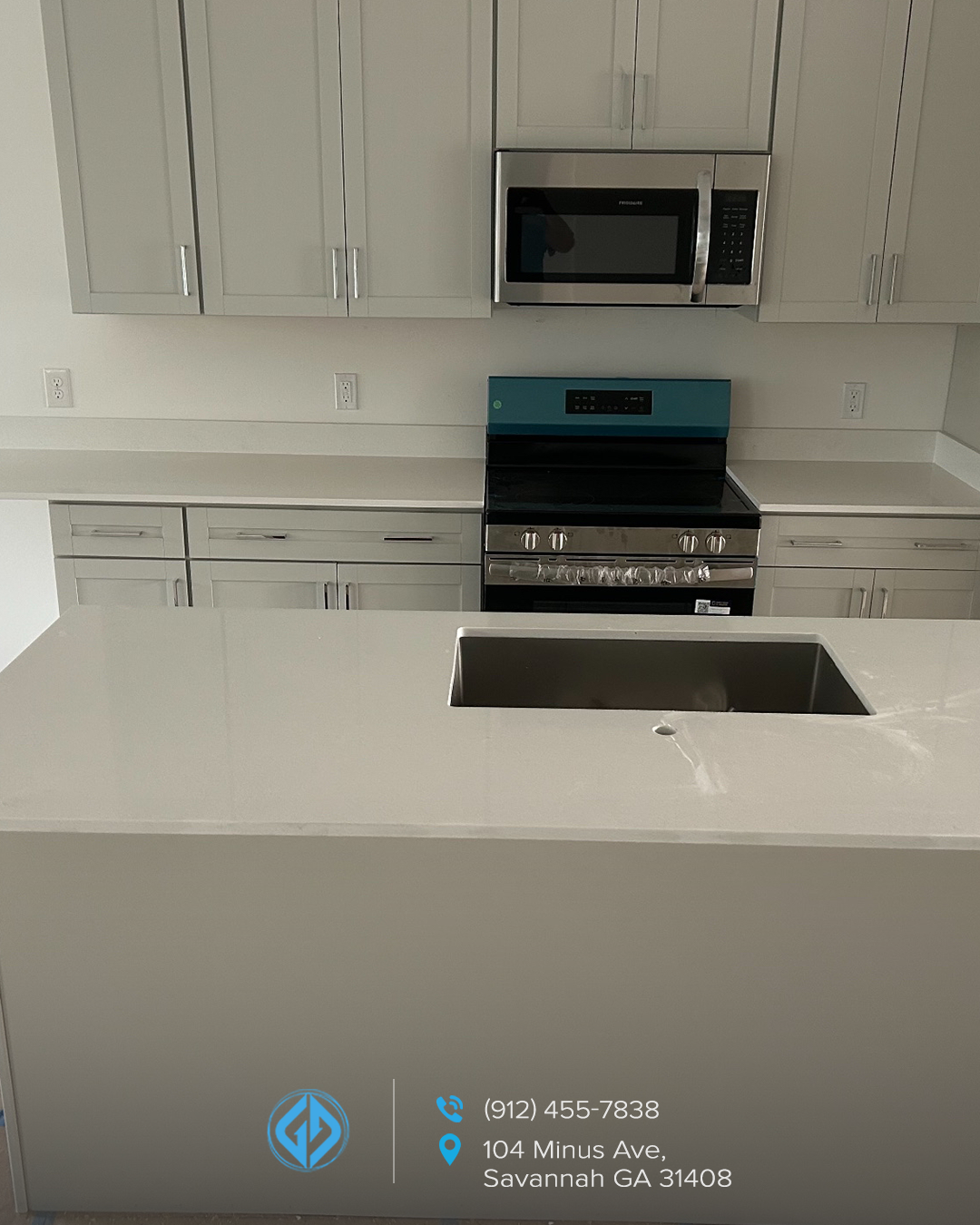
If you are planning a kitchen or bathroom remodel, you may wonder: what do you call someone who makes countertops? The professional term is a countertop fabricator. A fabricator takes a slab of granite, quartz, marble, quartzite, or another countertop material and transforms it into a finished surface that fits your cabinets, sink, appliances, and room layout.
At Granite Depot of Savannah, we work with homeowners who want professionally measured, fabricated, and installed countertops throughout the Savannah area and surrounding communities. Understanding what a fabricator does can help you choose the right material, understand your project timeline, and avoid unexpected costs.
Whether you are researching countertop fabricators Hampton, SC or planning a countertop project elsewhere in the region, knowing how fabrication works makes the buying process much easier.
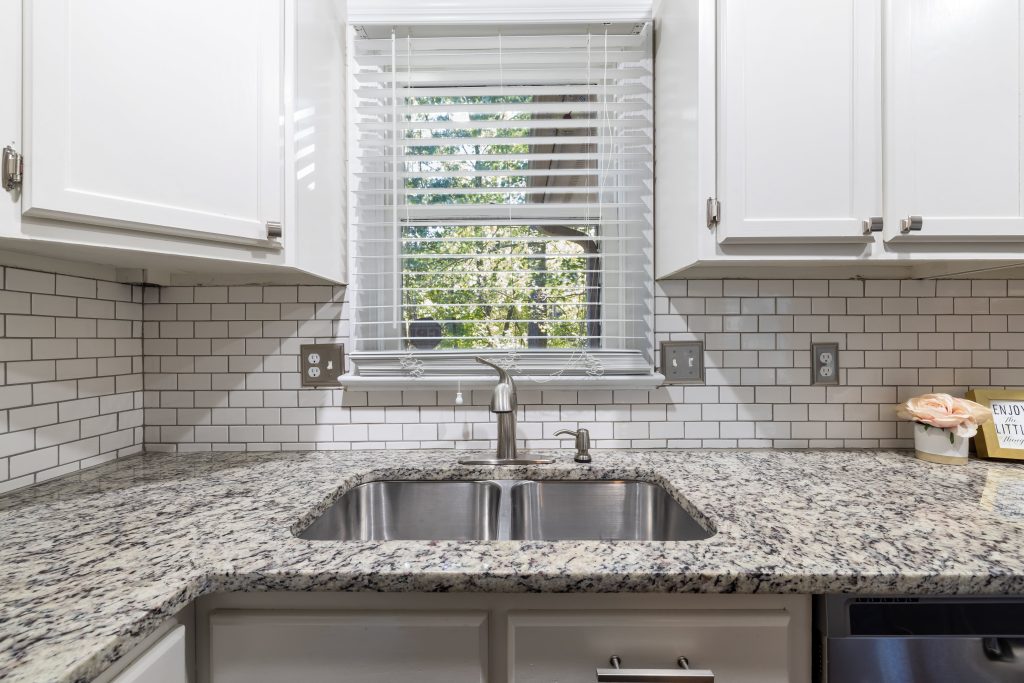
What Is a Countertop Fabricator?
A countertop fabricator is a specialist who cuts, shapes, finishes, and prepares countertop slabs for installation. We use specialized equipment to turn a large slab into a countertop designed specifically for your home.
Fabrication is different from simply selling a slab. A stone supplier may provide the raw material, while a fabricator takes measurements and creates the finished countertop.
A typical fabrication process can include:
- Measuring the countertop area
- Creating a digital or physical template
- Selecting the best portion of the slab
- Cutting the material to size
- Creating sink and cooktop openings
- Polishing exposed edges
- Joining multiple pieces when necessary
- Creating backsplashes
- Inspecting the finished pieces
- Preparing the countertop for installation
Professional fabrication is especially important with natural stone because every slab has its own veining, color variation, and structural characteristics.
What Does a Countertop Fabricator Actually Do?
A countertop fabricator handles the technical work required to transform a slab into a functional countertop. We begin with accurate measurements and continue through cutting, edge finishing, polishing, and preparation for installation.
For example, if you choose granite, the fabricator must determine where to position the sink cutout, seams, corners, and other openings. We also consider the natural pattern of the granite when positioning the template.
This is one reason choosing experienced countertop fabricators Hampton, SC can make a significant difference in the finished appearance.
A professional fabricator understands that countertop fabrication is not simply about cutting a piece of stone. It is about creating a finished product that fits accurately and looks intentional.
How Is a Countertop Fabricated?
Countertop fabrication normally begins with an on-site measurement and ends with installation. Depending on the material, design complexity, and availability, the complete process may take approximately 1–3 weeks.
The general process looks like this:
Material selection: You choose granite, quartz, marble, quartzite, or another countertop surface.
Measurement: We measure the cabinets and countertop area to establish exact dimensions.
Template: A template is created to show the precise shape and location of openings.
Slab layout: We determine how the template will be positioned on the slab, paying close attention to veins and patterns.
Cutting: Specialized saws or CNC equipment cut the countertop pieces.
Edge fabrication: The selected edge profile is shaped and polished.
Cutouts: Openings for sinks, faucets, cooktops, and other fixtures are created.
Finishing: Edges and surfaces are polished or finished according to the material.
Inspection: We check dimensions, edges, cutouts, and overall appearance.
Installation: The finished countertop is transported and installed at the property.
This process explains why experienced countertop fabricators Hampton, SC are important when you want an accurate and attractive result.
Which Materials Can a Countertop Fabricator Work With?
Most professional fabricators work with several countertop materials, including granite, quartz, marble, and quartzite. Each material requires slightly different fabrication and installation considerations.
| Material | Typical Strength | Maintenance | Common Appearance |
|---|---|---|---|
| Granite | High | Low to moderate | Natural patterns |
| Quartz | High | Low | Consistent or marble-like |
| Marble | Moderate | Moderate to high | Elegant veining |
| Quartzite | Very high | Moderate | Natural stone appearance |
| Porcelain | High | Low | Modern and versatile |
Granite remains popular because every slab is unique and the material offers excellent durability. Quartz is also popular because it provides a wide selection of colors and patterns with relatively simple maintenance.
Marble is often chosen for its classic appearance, while quartzite can offer a combination of natural beauty and impressive durability.
At Granite Depot of Savannah, we can help homeowners compare materials according to design preferences, maintenance expectations, and project requirements.
How Much Does Countertop Fabrication Cost?
Countertop fabrication commonly costs about $30–$80 per square foot for fabrication and installation, although the total price varies by material, edge profile, project size, cutouts, seams, and installation requirements.
For a typical kitchen, a complete countertop project may range from approximately $2,000–$6,000, with premium materials and complex designs potentially costing more.
Typical additional costs can include:
- Sink cutout: approximately $100–$300
- Cooktop cutout: approximately $100–$250
- Specialty edge profiles: approximately $10–$30 per linear foot
- Backsplash fabrication: approximately $20–$50 per square foot
- Additional seams: approximately $100–$300 per seam
- Removal of existing countertops: approximately $200–$600
These are general U.S. price ranges rather than a guaranteed quote. Your actual price depends on the selected slab, measurements, installation conditions, and project specifications.
If you are comparing countertop fabricators Hampton, SC, always ask whether the estimate includes material, fabrication, edge finishing, cutouts, delivery, and installation.
Why Is Accurate Measuring So Important?
Accurate measurements are essential because countertops are manufactured to fit a specific space. Even a small measurement error can affect walls, cabinets, appliances, sinks, and seams.
We typically account for details such as:
- Cabinet dimensions
- Wall irregularities
- Sink size
- Faucet locations
- Cooktop dimensions
- Overhang requirements
- Appliance clearances
- Backsplash placement
- Seams and slab dimensions
This is why professional fabrication should not be treated as a simple do-it-yourself cutting project.
A professional measurement and templating process also helps us identify potential problems before the material is cut.
What Are the Most Popular Countertop Edge Profiles?
The edge profile affects both appearance and price. Straight or eased edges are generally among the simplest and most economical options.
Popular choices include:
- Eased edge
- Pencil edge
- Half bullnose
- Full bullnose
- Beveled edge
- Ogee edge
- Waterfall edge
For a modern kitchen, an eased or pencil edge can provide a clean appearance. Traditional kitchens may benefit from a more decorative profile such as ogee.
More complex profiles require additional fabrication work, which can increase the cost.
How Long Does Countertop Fabrication Take?
Most residential countertop projects take approximately 1–3 weeks from final material selection and measurement to installation. A straightforward project may move faster, while custom designs, special-order slabs, complicated layouts, or scheduling constraints can extend the timeline.
A common schedule looks like this:
| Project Stage | Approximate Time |
|---|---|
| Material selection | 1–3 days |
| Measurement/template | 1–3 days |
| Fabrication | 5–10 business days |
| Final preparation | 1–2 days |
| Installation | 1 day |
The timeline can vary significantly depending on whether the selected material is already available.
When working with countertop fabricators Hampton, SC, ask for an estimated schedule before ordering material so you can coordinate plumbing, cabinetry, appliances, and other contractors.
Does the Fabricator Install the Countertop Too?
In many countertop businesses, fabrication and installation are handled as part of the same service. We prefer this approach because the professionals responsible for fabrication understand exactly how the countertop was measured and prepared.
Installation may involve:
- Transporting countertop sections
- Positioning pieces on cabinets
- Checking seams
- Securing the countertop
- Joining seams when necessary
- Installing backsplashes
- Creating or finishing sink connections
- Checking the final fit
Granite Depot of Savannah provides countertop services designed to take the project from material selection through professional fabrication and installation.
What Should You Ask a Countertop Fabricator?
You should ask about material availability, fabrication, installation, warranties, pricing, and project timing before approving the project.
Useful questions include:
- Is the quoted price per square foot?
- Does the price include fabrication?
- Does installation come with the estimate?
- Is sink cutting included?
- What edge profiles are available?
- How many seams will the project require?
- Can I view the actual slab before fabrication?
- How long will fabrication take?
- Is removal of the existing countertop included?
- What care does the material require after installation?
These questions can make it easier to compare countertop fabricators Hampton, SC based on the complete service rather than simply comparing the lowest advertised price.
Which Brands and Materials Should You Consider?
The best material depends on your priorities, but several recognizable product lines are commonly considered for residential countertops.
For quartz, homeowners may consider brands such as Caesarstone, Cambria, Silestone, and MSI Q Quartz. Natural stone options can include granite varieties such as Black Pearl, Colonial White, Alaska White, and River White.
For marble, popular varieties include Carrara, Calacatta, and Statuario. Quartzite selections can include Taj Mahal and Mont Blanc, although availability and appearance vary by supplier and slab.
The exact slab matters more than the brand name with natural stone. We recommend looking at the actual slab whenever possible because natural stone can have substantial variation from one piece to another.
How Do You Choose the Right Fabricator for Your Project?
Choose a fabricator based on experience, material selection, workmanship, communication, and the complete scope of service. The cheapest estimate is not always the best value if it excludes important parts of the project.
Look for a company that can clearly explain:
- Measurement procedures
- Material options
- Slab selection
- Fabrication methods
- Edge profiles
- Seam placement
- Installation
- Project scheduling
- Maintenance requirements
- Warranty information
Granite Depot of Savannah works with homeowners who want a complete countertop experience rather than simply purchasing a slab and arranging separate fabrication and installation.
What Is the Difference Between a Fabricator and an Installer?
A fabricator creates the countertop from the slab, while an installer places the finished countertop into the home. In many professional countertop companies, we perform or coordinate both services.
The distinction is useful because fabrication requires specialized cutting and finishing equipment, while installation requires knowledge of cabinet structures, leveling, seams, plumbing clearances, and safe handling.
For a seamless project, having fabrication and installation coordinated by one company can simplify communication and scheduling.
What Should You Expect During Installation?
You can generally expect installation to take several hours to a full day for a standard residential kitchen. Larger kitchens, multiple slabs, complex seams, islands, or unusual layouts may require additional time.
Before installation, we recommend having cabinets completely installed and secured. Appliances, sinks, and other components should be available according to the project requirements.
After installation, avoid placing excessive weight or using the countertop until the installation team confirms that the surface is ready for normal use.
What Are the Most Common Fabrication Mistakes to Avoid?
The most common problems involve inaccurate measurements, poor seam planning, inappropriate material selection, and inadequate communication about sinks or appliances.
You can reduce the risk by:
- Confirming countertop dimensions
- Selecting your edge profile early
- Discussing sink specifications
- Reviewing slab appearance
- Asking where seams will be located
- Confirming the installation date
- Reviewing the complete written estimate
- Choosing experienced professionals
Good planning helps prevent expensive changes after fabrication begins.

What Questions Do Homeowners Frequently Ask?
What is a countertop fabricator called?
A professional who cuts, shapes, finishes, and prepares countertops is generally called a countertop fabricator.
Is a fabricator the same as a countertop installer?
Not always. A fabricator manufactures the countertop from the slab, while an installer places the finished countertop in the home. Many companies provide both services.
How long does countertop fabrication take?
A typical residential project may take about 5–10 business days for fabrication after final measurements and material selection, although the complete project can take 1–3 weeks.
How much does countertop fabrication cost?
Fabrication and installation commonly fall around $30–$80 per square foot, depending on the material and project complexity.
Can granite be custom fabricated?
Yes. Granite can be cut for sinks, cooktops, faucets, corners, islands, backsplashes, and customized edge profiles.
Is quartz easier to fabricate than natural stone?
Quartz offers consistent manufacturing characteristics, but professional equipment and experience are still important for accurate cutting, polishing, and installation.
Can I choose my own countertop edge?
Yes. Most fabricators offer several edge profiles, from simple eased edges to more decorative designs.
Should I inspect the slab before fabrication?
Yes. We recommend reviewing the actual slab whenever possible, especially with natural stone, because color, veining, and pattern can vary.
How Can Granite Depot of Savannah Help With Your Countertop Project?
Granite Depot of Savannah can help with countertop material selection, measurements, fabrication, edge finishing, and installation. We work with materials such as granite, quartz, marble, and quartzite to create countertops tailored to the dimensions and style of your home.
If you are researching countertop fabricators Hampton, SC, we can help you understand your material options, estimated costs, fabrication requirements, and project timeline before work begins.
How Can You Contact Us?
Granite Depot of Savannah
Address: 104 Minus Ave, Savannah, GA 31408
Phone: (912) 455-7838