


When it comes to choosing a countertop material for your kitchen or bathroom, quartz countertops Springfield, GA, are a popular option. Known for their durability, low maintenance, and variety of colors and patterns, quartz countertops offer a sleek and stylish surface that can elevate the look of any space. However, one common question homeowners have about quartz is whether or not it stains.
At Granite Depot of Savannah, we specialize in offering high-quality quartz countertops and are committed to helping homeowners make informed decisions when selecting the best materials for their homes. Understanding the stain resistance of quartz countertops is crucial for ensuring that you choose the right material for your lifestyle and needs.
What Are Quartz Countertops?
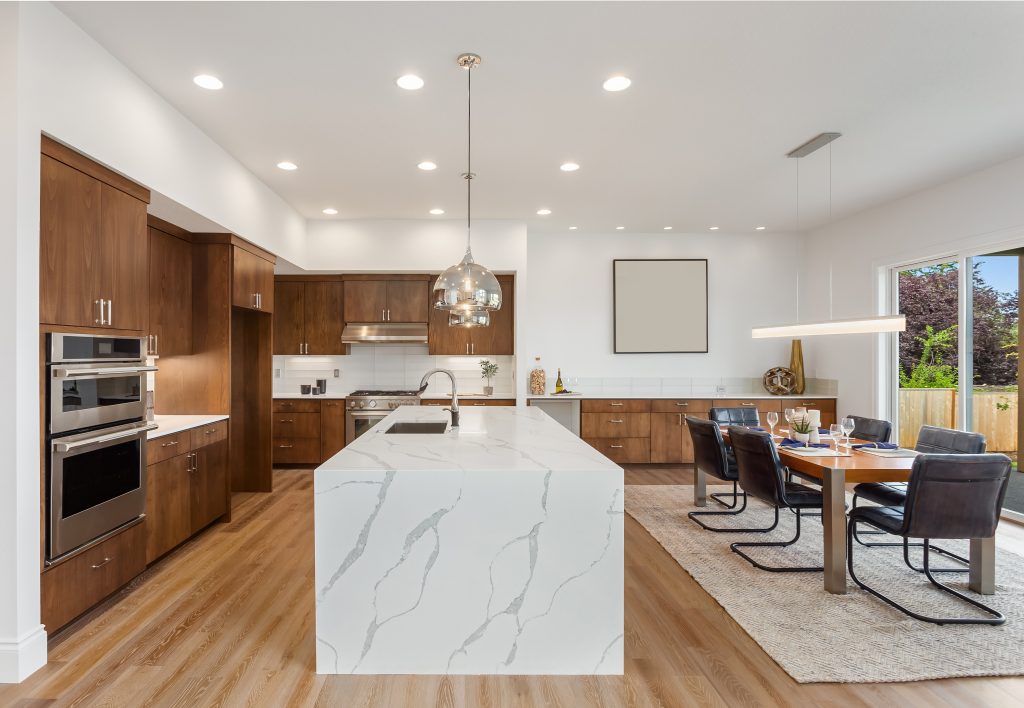
Quartz countertops are engineered stone surfaces made by combining natural quartz crystals with resins, polymers, and pigments. This manufacturing process results in a non-porous, durable, and highly customizable material that mimics the appearance of natural stone such as granite or marble. Quartz countertops are favored for their consistent color, strength, and resistance to various types of damage, including stains.
Unlike natural stone surfaces like granite and marble, quartz does not require sealing because it is non-porous. This makes it an attractive option for homeowners who want a low-maintenance countertop material that’s resistant to moisture, bacteria, and stains. However, while quartz countertops are generally stain-resistant, they are not completely impervious to damage, and certain factors can affect their ability to resist staining.
Do Quartz Countertops Stain?
The short answer is: Quartz countertops can stain, but they are much more resistant to stains than other materials like granite or marble. Since quartz is a non-porous material, it naturally resists the absorption of liquids like water, oils, and common kitchen spills. This makes quartz countertops less likely to stain than other porous materials, but it doesn’t mean they are entirely stain-proof.
Staining on quartz countertops generally occurs when substances that are highly pigmented or acidic are left on the surface for extended periods of time. The resin that binds the quartz crystals can sometimes absorb these substances if not wiped away promptly, potentially leading to discoloration. Here’s a closer look at how and why quartz countertops can stain:
1. The Role of Resin in Quartz Countertops
Quartz countertops are made by combining crushed quartz crystals with resins and pigments. The resin acts as a binder, giving the countertop its shape and structure. While this process results in a strong, durable surface, it also means that the countertop’s resin components can be more sensitive to certain substances, particularly those with high acidity or pigments.
For instance, coffee, wine, oils, and acidic substances like lemon juice or vinegar can cause damage if left in contact with quartz for too long. If these liquids are not wiped away promptly, they can affect the resin, leading to discoloration or staining.
2. Type of Stains on Quartz Countertops
While quartz countertops Springfield, GA, are generally resistant to staining, certain substances can cause temporary or permanent marks if not cleaned up properly. Here are some examples of what can stain quartz countertops:
- Organic Stains: Coffee, tea, red wine, and fruit juices can stain quartz countertops if left on the surface for an extended period. The pigments in these substances can seep into the resin and cause discoloration.
- Oil and Grease: While quartz is resistant to most oils, greasy substances such as cooking oils or butter can leave behind marks if they’re not cleaned up immediately.
- Acidic Substances: Lemon juice, vinegar, and other acidic substances can cause damage to the surface of quartz countertops. These substances can break down the resin and lead to discoloration.
- Permanent Markings: Though rare, permanent staining can occur if the countertop is exposed to harsh chemicals, such as bleach or abrasive cleaning agents, which can break down the resin.
What Makes Quartz Countertops Resistant to Staining?
Even though quartz countertops are not completely stain-proof, they are much more resistant to stains than natural stone surfaces like granite or marble. Here’s why:
- Non-Porous Surface: The primary advantage of quartz countertops is their non-porous nature. Unlike granite or marble, which have microscopic pores that allow liquids and bacteria to seep into the surface, quartz countertops do not absorb liquids, making them much more resistant to staining.
- Durability: The resin used in quartz countertops is highly durable and resistant to many substances that can cause staining. Most quartz countertops are also treated with a protective layer that makes them more resistant to damage from everyday use.
- Low Maintenance: Quartz countertops are easy to clean and maintain. They don’t require sealing like granite or marble, which helps keep them looking pristine with minimal effort. Regular cleaning with mild soap and water is usually enough to keep your quartz countertops Springfield, GA, in great shape.
How to Prevent Stains on Quartz Countertops
While quartz countertops are stain-resistant, it’s still important to take the necessary precautions to maintain their appearance. Here are some tips to prevent stains and damage to your quartz countertops Springfield, GA:
1. Clean Spills Immediately
The key to maintaining stain-free quartz countertops is to clean up spills as soon as they happen. Whether it’s coffee, wine, or oil, it’s best to wipe up the spill promptly to avoid any potential staining. Even though quartz is non-porous, leaving substances on the surface for an extended period of time can still cause discoloration or damage to the resin.
2. Use Coasters and Trivets
To protect your quartz countertops Springfield, GA, from heat and liquid damage, always use coasters for drinks and trivets for hot pots, pans, and appliances. While quartz can withstand moderate heat, it’s best to avoid placing extremely hot objects directly on the surface, as this can damage the resin and lead to discoloration.
3. Avoid Harsh Chemicals
Avoid using harsh chemicals or abrasive cleaning agents on your quartz countertops. Products such as bleach, ammonia, or abrasive scrubbing pads can damage the surface and cause discoloration. Instead, use a mild dish soap and a soft cloth or sponge to clean your countertops.
4. Use Cutting Boards
Although quartz is resistant to scratches, it’s still best to use a cutting board when chopping or slicing food. Directly cutting on your quartz countertop can cause scratches, which could make it more susceptible to staining. A cutting board will protect your countertops and keep them looking like new.
How to Clean Stains on Quartz Countertops
If a stain does occur on your quartz countertops Springfield, GA, don’t worry! Quartz is easy to clean, and most stains can be removed with a little effort. Here’s how to clean stains from your quartz countertops:
- Use a Mild Soap Solution: Start by cleaning the stained area with a mild dish soap solution and a soft cloth. This will remove most spills and stains that haven’t been absorbed into the surface.
- Apply a Paste: For stubborn stains, make a paste using baking soda and water. Apply the paste to the stain and let it sit for 10-15 minutes. Gently scrub the area with a soft cloth and rinse with water.
- Use a Non-Abrasive Cleaner: If the stain persists, you can use a non-abrasive cleaner specifically designed for quartz countertops. Follow the manufacturer’s instructions and apply the cleaner to the stained area.
- Avoid Harsh Scrubbing: Never use harsh scrubbing pads or abrasive cleaning tools, as this can scratch the surface and damage the finish.
Why Choose Quartz Countertops from Granite Depot of Savannah?
At Granite Depot of Savannah, we offer a wide range of high-quality quartz countertops Springfield, GA that are both durable and stylish. Our quartz countertops are easy to maintain, resistant to stains, and available in a variety of colors and patterns to complement any kitchen or bathroom design.
Our expert team can help you choose the perfect quartz countertops for your home and provide guidance on proper care and maintenance to keep them looking pristine for years to come. Whether you’re remodeling your kitchen or updating your bathroom, Granite Depot of Savannah is here to help with expert installation and advice.