

When it comes to choosing the perfect countertop material for your kitchen or bathroom, two popular options often come to mind: quartz and marble. Both materials offer a luxurious look and feel, but they each have their own set of characteristics that can influence your decision. So, which is better: quartz or marble? The answer depends on several factors, including your budget, lifestyle, and aesthetic preferences.
At Granite Depot of Savannah, we understand how important it is to choose the right countertop for your home. In this article, we’ll compare quartz and marble countertops, helping you make an informed decision about what’s best for your space. Whether you’re considering marble countertops Springfield, GA, or quartz countertops, we’ll walk you through the advantages and disadvantages of each to help you decide which one suits your needs.
What Are Quartz and Marble Countertops?
Before we dive into the comparison, let’s take a moment to understand what makes quartz and marble countertops unique.
Quartz Countertops: Engineered for Durability
Quartz countertops are man-made surfaces made from a blend of natural quartz crystals, resins, and pigments. This engineered process creates a durable, non-porous surface that mimics the appearance of natural stone. Quartz is known for its consistent color and pattern, making it an ideal choice for those who prefer uniformity.
Advantages of Quartz Countertops:
- Durability: Quartz countertops are highly durable and resistant to scratches, stains, and impacts. Unlike marble, quartz is not prone to etching from acidic substances like lemon juice or vinegar, making it a low-maintenance choice.
- Non-Porous: Quartz is non-porous, which means it doesn’t need sealing like marble does. This feature makes quartz countertops resistant to bacteria and easier to clean, making them ideal for kitchen and bathroom spaces.
- Variety of Colors and Patterns: Quartz countertops come in a wide range of colors and patterns, giving you plenty of options to match your home’s décor. Whether you want a classic white or a bold, colorful design, quartz can deliver.
Marble Countertops: Timeless Luxury
Marble, on the other hand, is a natural stone known for its elegant and luxurious appearance. It’s been used for centuries in fine architecture and design, making it a classic choice for homeowners looking to add sophistication and timeless beauty to their spaces. Marble countertops are characterized by their unique veins and patterns, which add depth and visual interest to the surface.
Advantages of Marble Countertops:
- Elegance and Beauty: Marble is known for its timeless beauty and distinctive veining, making each countertop unique. It brings a touch of luxury and sophistication to any kitchen or bathroom.
- Heat Resistance: Marble is more heat-resistant than quartz, making it a great choice for kitchen countertops where hot pans or pots may be placed directly on the surface. It can withstand high temperatures without damage.
- Aesthetic Appeal: If you’re looking for a countertop that exudes elegance, marble is the go-to option. Its classic appeal never goes out of style, and it can elevate the overall design of your home.
Comparing Quartz and Marble Countertops
Now that we’ve covered the basics of each material, let’s dive into the factors that matter most when choosing between quartz and marble countertops.
1. Durability and Maintenance
Quartz: One of the main reasons people choose quartz countertops is their durability. Quartz is a highly resilient material that resists scratches, chips, and stains. Because quartz is non-porous, it doesn’t require sealing like marble, which makes it much easier to maintain. With quartz, you won’t have to worry about liquids seeping into the surface and causing stains. Regular cleaning with mild soap and water is usually enough to keep it looking pristine.
Marble: While marble is a durable stone, it’s more prone to scratching and staining than quartz. Marble is a softer stone compared to quartz, meaning it can easily be scratched by knives or other sharp objects. Marble is also porous, which means it can absorb liquids like oil, wine, and coffee. As a result, it requires regular sealing to maintain its appearance and prevent staining. If you’re looking for a countertop that requires less maintenance, marble countertops Springfield, GA, may not be the best option.
2. Aesthetic Appeal and Style
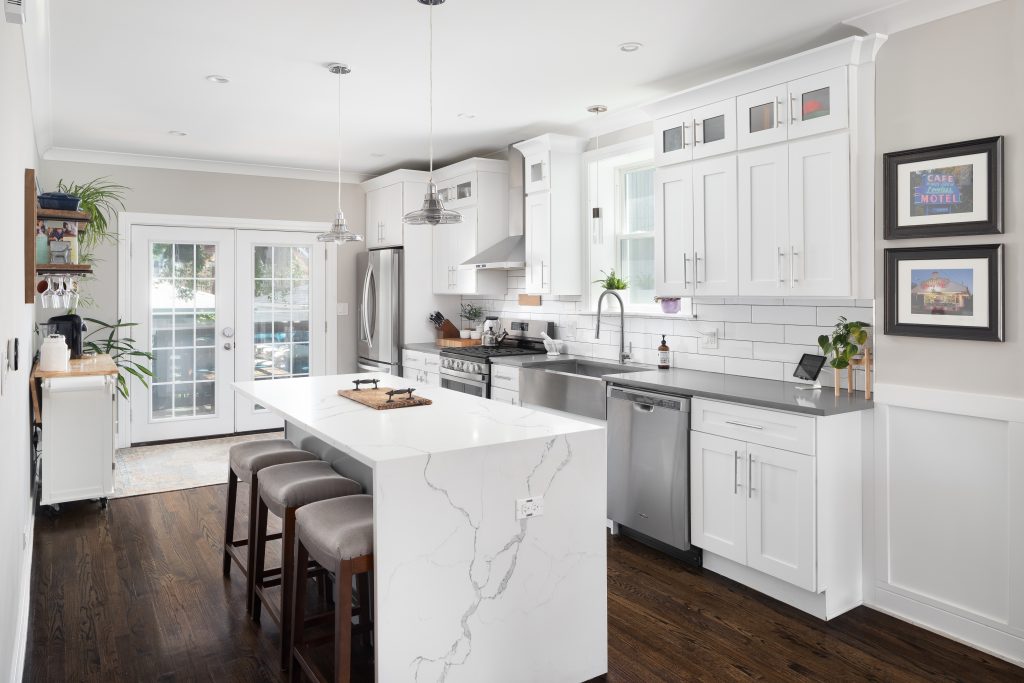
Quartz: Quartz countertops are manufactured, which means they offer a consistent, uniform appearance. If you prefer a countertop with a more modern, sleek look, quartz is a great choice. It’s available in a wide range of colors and patterns, from solid colors to designs that mimic natural stones like marble and granite. However, quartz doesn’t offer the same natural veining and unique appearance that marble provides.
Marble: If you’re looking for something with a more timeless and elegant aesthetic, marble is the ideal choice. The unique veining and patterns of marble make each piece distinct, giving your countertops a luxurious and classic feel. Marble’s natural beauty is one of the main reasons homeowners choose it, especially in high-end kitchens and bathrooms. For those who appreciate traditional or opulent designs, marble countertops Springfield, GA, are a top contender.
3. Cost Comparison
Quartz: Quartz countertops tend to be more affordable than marble, especially when considering the long-term value. While quartz is still a premium material, it is often less expensive than marble. The manufacturing process for quartz is more efficient, and it can be produced in larger quantities, making it more accessible at a lower price point.
Marble: Marble is generally more expensive than quartz due to its natural sourcing and the intricate process involved in cutting and polishing it. The cost of marble varies significantly based on factors like the color and origin of the stone, with rarer marble types costing even more. Additionally, the ongoing maintenance required for marble countertops—such as sealing and special cleaning—can add to the overall cost over time.
4. Heat Resistance
Quartz: While quartz is heat-resistant to some extent, it is not as heat-resistant as marble. High temperatures can cause quartz to warp or discolor, especially if exposed to hot cookware directly. For homeowners who do a lot of cooking and need a countertop that can withstand high heat, marble might be the better choice.
Marble: Marble is one of the most heat-resistant materials available for countertops. Its ability to withstand hot pots, pans, and baking sheets without damage makes it an excellent choice for kitchen environments where cooking involves direct heat. However, it’s important to note that while marble is heat-resistant, it can still be damaged by sudden temperature changes, so it’s always best to use trivets or heat pads.
5. Stain Resistance
Quartz: Quartz countertops are non-porous, making them highly resistant to stains. Liquids such as wine, oil, and coffee are less likely to penetrate the surface, making quartz an excellent option for kitchens and bathrooms where spills are common. Cleaning up messes on quartz is typically a simple task.
Marble: Marble countertops, on the other hand, are more susceptible to staining due to their porous nature. Liquids like coffee, wine, and oils can seep into the surface, leaving behind unsightly stains. Regular sealing can help reduce the risk of stains, but it’s still essential to wipe up spills immediately to avoid long-term damage. For marble countertops Springfield, GA, it’s crucial to maintain a regular sealing schedule to protect the surface.
Which Countertop Is Better for You: Quartz or Marble?
The decision between quartz and marble ultimately comes down to your personal preferences and needs. If you’re looking for a low-maintenance, highly durable countertop with a variety of design options, quartz may be the better choice. It’s ideal for busy kitchens and bathrooms where ease of care and durability are key.
On the other hand, if you’re drawn to the timeless beauty and luxury of natural stone, marble countertops may be worth the investment. Marble’s classic elegance and unique patterns can elevate the look of any space, but it does require more maintenance to keep it looking pristine.
At Granite Depot of Savannah, we offer both marble countertops Springfield, GA, and quartz countertops, allowing you to choose the material that best fits your design and functional needs. Our team is here to help guide you through the selection process and ensure that you make the best choice for your home.