


A kitchen countertop is commonly called a countertop, kitchen counter, or simply a counter. The exact term can depend on the material, design, and context, but all of these names generally describe the horizontal work surface installed over kitchen cabinets.
At Granite Depot of Savannah, we help homeowners choose, measure, fabricate, and install kitchen surfaces made from granite, quartz, quartzite, marble, porcelain, and other materials. Understanding the terminology makes it easier to compare materials, request accurate estimates, and choose the right surface for a kitchen renovation.
For homeowners researching kitchen countertops Hampton, SC, knowing what a countertop is called is only the first step. The next step is understanding the differences between materials, construction options, pricing, installation times, and maintenance requirements.
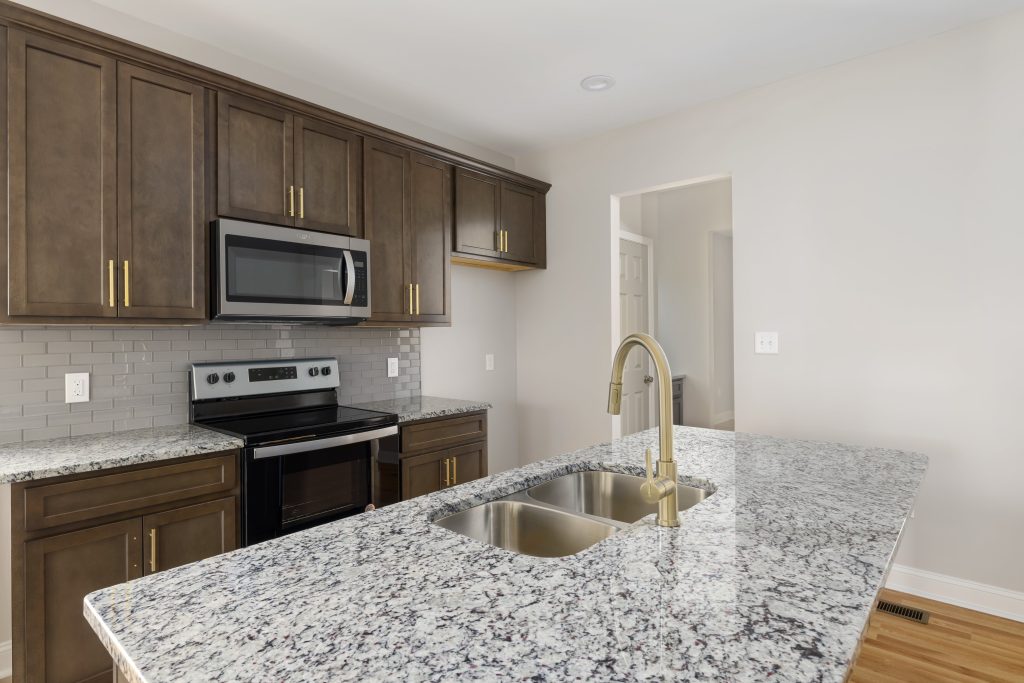
What Is a Kitchen Countertop Called?
A kitchen countertop is most commonly called a countertop, kitchen counter, or counter. In professional countertop fabrication and installation, “countertop” is usually the most precise term because it refers specifically to the finished surface installed on top of cabinets.
The term “counter” is more casual and can sometimes describe the entire counter area, including the cabinetry underneath. For example, a homeowner may say, “We need a new kitchen counter,” while a fabricator may describe the project as a “quartz countertop installation.”
Other terms you may encounter include:
- Kitchen worktop
- Kitchen counter
- Work surface
- Counter surface
- Island countertop
- Vanity top when referring to a bathroom
- Stone countertop when the material is natural or engineered stone
The terminology can vary by region, but the function remains similar: the countertop provides a durable, level surface for food preparation, appliances, storage activities, and everyday kitchen use.
What Is the Difference Between a Counter and a Countertop?
A counter can refer to the broader working area, while a countertop specifically refers to the finished surface. The cabinets, support structure, and countertop work together to create the complete kitchen counter.
For example, imagine a kitchen with a 10-foot cabinet run. The base cabinets provide storage and structural support, while a 10-foot quartz slab forms the visible countertop.
| Term | What It Usually Means | Example |
|---|---|---|
| Counter | General term for a kitchen work area | Kitchen counter with cabinets |
| Countertop | Finished horizontal surface | Quartz countertop |
| Kitchen island | Freestanding cabinet structure | Island with granite top |
| Worktop | Alternative term for countertop | Stone kitchen worktop |
| Counter surface | Descriptive term for the top material | Granite counter surface |
When customers contact us about kitchen countertops Hampton, SC, we normally discuss the countertop material, dimensions, edge profile, cutouts, seams, and installation rather than the cabinetry itself.
What Materials Are Used for Kitchen Countertops?
Granite, quartz, quartzite, marble, porcelain, and solid-surface materials are among the most common kitchen countertop choices. Each material provides a different combination of appearance, durability, maintenance requirements, and price.
Granite is a natural stone available in a wide range of colors and patterns. Because every slab can have different veining and mineral movement, we recommend looking at the actual slab whenever possible.
Quartz is an engineered stone made using natural quartz materials combined with resins and pigments. Popular brands include Caesarstone, Cambria, MSI Q Quartz, and Silestone.
Quartzite is a natural stone that can resemble marble while providing a strong surface for everyday kitchen use. Marble remains popular for elegant traditional and luxury kitchens, while porcelain and sintered surfaces such as Dekton and Neolith offer contemporary designs and specialized performance characteristics.
Which Countertop Material Is Best for a Kitchen?
The best countertop material depends on your budget, design preferences, maintenance expectations, and how you use your kitchen. There is no single material that is ideal for every homeowner.
Here is a quick comparison:
| Material | Typical Installed Price | Appearance | Maintenance |
|---|---|---|---|
| Laminate | $20–$50/sq. ft. | Many colors and patterns | Low |
| Granite | $50–$120+/sq. ft. | Natural stone variation | Low to moderate |
| Quartz | $60–$120+/sq. ft. | Consistent modern designs | Low |
| Quartzite | $70–$150+/sq. ft. | Natural luxury stone | Moderate |
| Marble | $60–$150+/sq. ft. | Classic veining | Moderate to high |
| Porcelain | $60–$140+/sq. ft. | Modern and versatile | Low |
Prices are general planning ranges and can change based on slab selection, project size, edge details, cutouts, installation conditions, availability, and fabrication requirements.
For customers comparing kitchen countertops Hampton, SC, we recommend looking beyond the initial price per square foot. A countertop estimate can also include templating, sink cutouts, cooktop cutouts, edge fabrication, seams, delivery, and installation.
How Much Does a Kitchen Countertop Cost?
A typical professionally installed kitchen countertop can cost approximately $2,000 to $6,000 for a standard kitchen, while large kitchens, premium materials, complex islands, and high-end stone can exceed $8,000. The final cost depends primarily on square footage and the amount of fabrication required.
A simple 50-square-foot quartz countertop at $70 per square foot would have a material and installation cost of approximately $3,500 before any project-specific additions.
Additional costs may include:
- Sink cutouts: approximately $100–$300 each
- Cooktop cutouts: approximately $100–$250
- Decorative edge profiles: approximately $10–$30+ per linear foot
- Backsplash fabrication: approximately $20–$60+ per square foot
- Demolition and removal: approximately $300–$800
- Complex seam or installation work: project dependent
We provide project-specific pricing after reviewing the measurements, material, layout, and fabrication requirements.
How Long Does It Take to Get a New Kitchen Countertop?
A typical countertop project can take about 1–3 weeks from final measurement to installation, depending on material availability and fabrication complexity. Custom materials or special-order slabs can extend the schedule to 3–4 weeks.
A common project timeline looks like this:
- Material selection: 1–3 days
- Final measurements and template: 1–3 hours onsite
- Slab confirmation: 1–3 days
- Fabrication: approximately 5–10 business days
- Installation: usually 1 day
- Plumbing reconnection: generally scheduled after installation
Cabinets should normally be installed, leveled, and secured before the final countertop template is created. Appliance dimensions, sink models, and cooktop specifications should also be confirmed before fabrication.
What Does a Countertop Template Include?
A countertop template records the exact dimensions and details needed to fabricate the finished surface. We use the template to account for walls, corners, cabinet dimensions, cutouts, seams, overhangs, and appliance locations.
A professional template may include:
- Wall-to-wall measurements
- Cabinet depth and length
- Inside and outside corners
- Sink opening
- Faucet holes
- Cooktop opening
- Island dimensions
- Overhang measurements
- Backsplash dimensions
- Seam locations
- Finished edges
- Appliance clearances
Digital measuring systems and laser tools can improve measurement efficiency and help transfer dimensions into CAD/CAM fabrication systems. Traditional templates may also use materials such as kraft paper, cardboard, or thin hardboard depending on the project.
What Is the Difference Between Granite and Quartz Countertops?
Granite is natural stone, while quartz countertops are engineered surfaces manufactured with quartz particles, resins, and pigments. Granite provides natural variation from slab to slab, while quartz generally provides more predictable colors and patterns.
Granite may require periodic sealing depending on the specific stone and finish. Quartz generally requires less routine maintenance because the surface is nonporous, although manufacturers still recommend following specific care instructions.
For homeowners considering kitchen countertops Hampton, SC, the choice often comes down to whether the priority is natural stone character, consistent design, maintenance preferences, or a particular budget.
How Do Countertop Edges Affect the Finished Kitchen?
The edge profile changes the appearance of the countertop and can add either a simple modern detail or a more decorative traditional look. Common profiles include eased, pencil, bevel, bullnose, ogee, and waterfall-style designs.
A simple eased edge is often selected for contemporary kitchens because it creates a clean, understated appearance. More decorative profiles can complement traditional cabinetry and detailed kitchen designs.
The edge also affects fabrication time and cost. A basic edge is generally less expensive than a highly detailed custom profile.
How Can Granite Depot of Savannah Help With Countertops?
Granite Depot of Savannah provides countertop selection, fabrication, templating, and installation services for residential kitchen projects. We work with materials such as granite, quartz, quartzite, marble, and other countertop surfaces to help homeowners create a practical and attractive kitchen.
When choosing kitchen countertops Hampton, SC, customers can benefit from discussing material availability, project measurements, edge options, sink cutouts, installation schedules, and total project costs before fabrication begins.
We can help coordinate the process from material selection through final installation, with project timing typically depending on cabinet readiness, slab availability, fabrication requirements, and installation complexity.
What Should You Ask Before Ordering a Kitchen Countertop?
You should ask about the material, total price, fabrication details, installation schedule, warranty, and what is included in the estimate. Clear answers before fabrication can prevent unexpected costs or delays.
Important questions include:
- What countertop material is recommended for my kitchen?
- How many slabs will the project require?
- Is templating included?
- Are sink and cooktop cutouts included?
- Which edge profiles are available?
- Where will the seams be located?
- How long will fabrication take?
- Is installation included?
- Is backsplash work included?
- What care and maintenance does the material require?
Getting these details in writing makes it easier to compare estimates from different countertop providers.
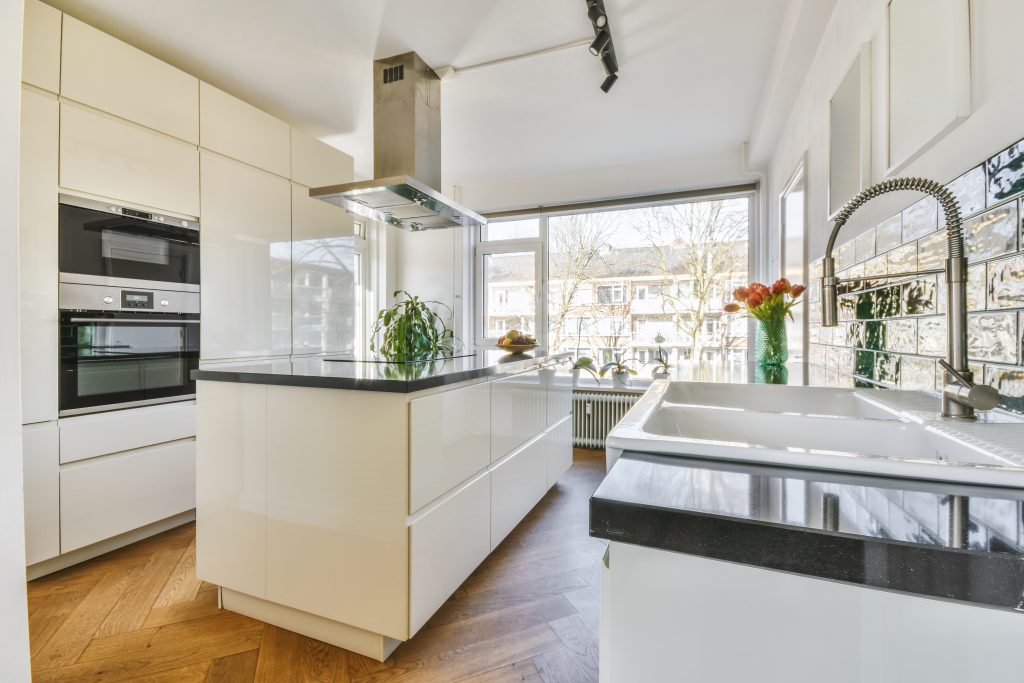
FAQ: What Is a Kitchen Countertop Called?
Is a kitchen countertop also called a kitchen counter?
Yes. “Kitchen counter” and “countertop” are often used interchangeably in everyday conversation, although “countertop” more specifically describes the finished surface.
What is the most popular countertop material?
Quartz and granite are among the most popular choices for residential kitchens. Quartz offers consistent designs and low routine maintenance, while granite provides natural stone patterns and variation.
How thick should a kitchen countertop be?
Common stone countertop thicknesses are 2 cm and 3 cm. A 3 cm slab provides a substantial appearance without requiring a built-up edge in many applications.
How long does countertop installation take?
The physical installation commonly takes one day. From final templating through fabrication and installation, a standard project often takes approximately 1–3 weeks.
How much should I budget for a new countertop?
A reasonable starting range is approximately $2,000–$6,000 for many standard kitchens, although premium materials and larger or more complex projects can cost significantly more.
Do countertops need to be sealed?
Some natural stones, including many granite and quartzite varieties, may benefit from sealing. Quartz generally does not require sealing, but care recommendations should always follow the manufacturer’s instructions.
Can I install a new countertop without replacing my cabinets?
Yes, in many remodeling projects, existing cabinets can remain if the cabinets are structurally sound, level, and properly prepared for the new countertop. Final measurements should be completed after the cabinets are ready.
How Can You Contact Granite Depot of Savannah?
Granite Depot of Savannah can help with countertop material selection, professional templating, fabrication, and installation for kitchen remodeling projects. Whether you are considering granite, quartz, quartzite, marble, or porcelain, we can help you evaluate the material, cost, timeline, and design details for your project.
For information about kitchen countertops Hampton, SC, contact us to discuss your kitchen dimensions, preferred material, budget, and installation requirements.
Granite Depot of Savannah
104 Minus Ave
Savannah, GA 31408
Phone: (912) 455-7838