


Granite is one of the most popular choices for countertops due to its durability, timeless beauty, and unique natural patterns. When shopping for granite, you will likely notice a wide range of prices, which may leave you wondering what justifies the difference between cheap and expensive granite. Whether you’re visiting granite stores Richmond Hill, GA or comparing online options, understanding these distinctions will help you make an informed decision.
At Granite Depot of Savannah, we specialize in providing high-quality granite countertops and other natural stone solutions. In this article, we will explore the factors that affect the price of granite and help you distinguish between more affordable options and luxury granite.
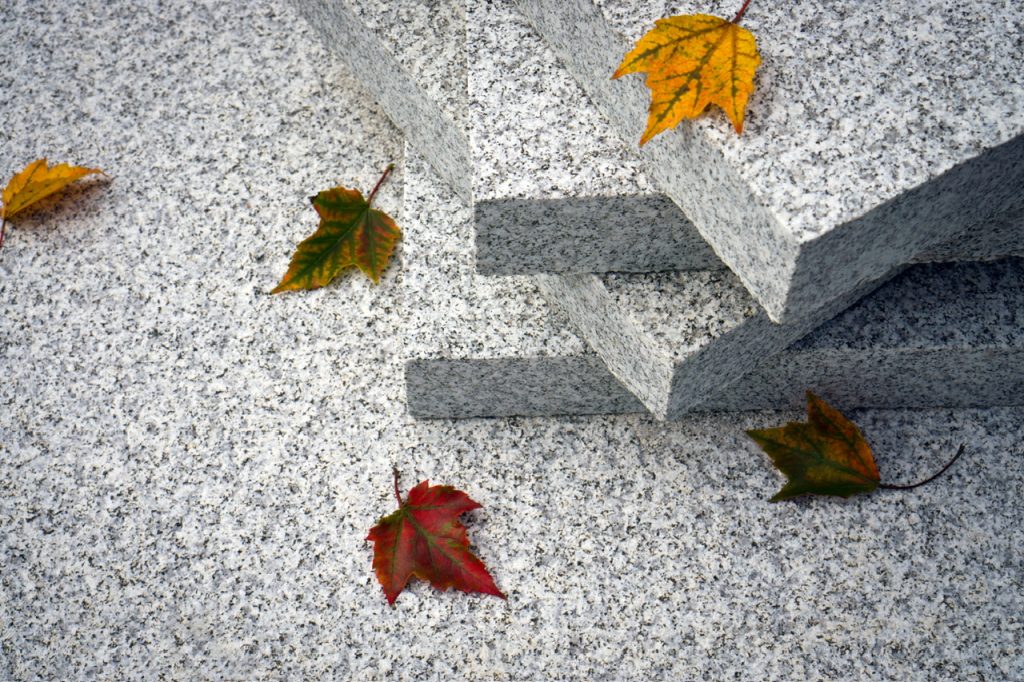
1. Quality of the Stone
One of the primary factors affecting the cost of granite is its quality. Granite is classified into different grades based on factors such as the density of the stone, the presence of imperfections, and the quality of the quarrying process. Higher-grade granite tends to be more expensive because it has fewer flaws, better durability, and a more consistent pattern.
- Low-Grade Granite: Cheap granite, also known as commercial-grade or builder-grade, usually comes from regions where the stone is more abundant, and the quality control standards may not be as strict. The stone might contain more natural imperfections like cracks, pits, and fissures, which affect its overall appearance and durability. Additionally, low-grade granite often has a more basic, uniform color and pattern.
- High-Grade Granite: Expensive granite, on the other hand, is typically sourced from quarries that produce higher-quality stone. These slabs have fewer imperfections, more intricate patterns, and richer colors. The rarity of the stone and the care taken in its extraction and transportation contribute to its higher price. Customers in granite stores Richmond Hill, GA will notice a visible difference in the beauty and quality of luxury granite.
2. Rarity and Sourcing
The location and rarity of a particular type of granite play a significant role in its cost. Granite is mined all over the world, with some quarries located in more remote or difficult-to-reach regions. Granite sourced from these areas tends to be more expensive due to the costs associated with extraction and transportation.
For instance, granite from certain quarries in Brazil, Italy, or India may have unique colors and patterns that are not found in more common varieties. The rarity of these stones makes them highly sought after, and as a result, they command a higher price. On the other hand, granite that is locally sourced or widely available will be more affordable. When visiting granite stores Richmond Hill, GA, you might find that more common varieties of granite, such as those sourced from domestic quarries, come at a lower price point.
3. Thickness of the Slab
Another factor that affects the price of granite is the thickness of the slab. Standard granite slabs are typically 2 cm or 3 cm thick. The thicker the slab, the more expensive it will be. Thicker slabs are not only heavier and more durable, but they also offer a more luxurious look, which is why many homeowners prefer them for high-end projects.
- Thin Granite: Some cheaper granite options are available in thinner slabs, which are often reinforced with plywood or other materials to provide stability. While this can reduce the cost, it may also compromise the stone’s durability and longevity. Thin slabs are more prone to cracking and may require more support during installation.
- Thick Granite: High-end granite is typically sold in thicker slabs, which offer better durability and a more substantial appearance. The extra material and added weight of thicker slabs contribute to the higher cost, but they also provide a more premium feel.
4. Pattern and Color Variations
Granite comes in a wide variety of colors and patterns, ranging from simple and subtle to bold and dramatic. The rarity of certain colors and patterns can significantly affect the price. More common colors like black, white, and grey tend to be less expensive, while rare colors like blue, green, or pink may cost more.
- Basic Patterns: Cheap granite often features more uniform patterns and simple colors, which are more widely available. While these options can still look beautiful, they may lack the depth and complexity of more expensive granite.
- Exotic Patterns: Expensive granite slabs are often prized for their unique, intricate veining and rare color combinations. These slabs are less common and harder to find, making them more valuable. Customers at granite stores Richmond Hill, GA will often see a noticeable difference between basic and exotic granite in terms of aesthetics and price.
5. Finishing Techniques
The finish applied to a granite slab can also influence its cost. There are several different types of finishes, with polished, honed, and leathered finishes being the most common.
- Polished Finish: This is the most common and typically the least expensive finish. Polished granite has a glossy surface that reflects light and highlights the stone’s natural beauty. It’s the standard choice for many homeowners because of its sleek look and ease of maintenance.
- Honed Finish: A honed finish offers a matte look, which can give granite a softer, more understated appearance. This type of finish may be slightly more expensive due to the additional labor involved, but it’s an excellent choice for those who prefer a more subtle look.
- Leathered Finish: Leathered granite has a textured surface that enhances the stone’s natural patterns and gives it a more rugged, earthy appearance. This finish is less common and requires more work to achieve, making it one of the pricier options.
Each finish has its pros and cons, and your choice will depend on your design preferences and budget. When visiting granite stores Richmond Hill, GA, you will likely see examples of each type of finish and can compare their costs and visual appeal.
6. Installation Costs
The installation process also plays a role in the overall cost of your granite countertops. Complex installations, such as those involving custom edges, backsplashes, or large islands, will typically cost more. Additionally, the expertise of the installer can affect the price.
- Basic Installations: For cheaper granite, installation may be more straightforward, with fewer customization options and simpler designs. In these cases, the installation process will be quicker and less costly.
- Complex Installations: Expensive granite projects often involve intricate designs, such as waterfall edges, integrated sinks, or custom inlays. These features require more time, skill, and materials, all of which contribute to a higher overall cost.
At Granite Depot of Savannah, we pride ourselves on providing professional installation services to ensure that your granite countertops look stunning and perform beautifully for years to come. Whether you’re choosing affordable options or investing in high-end granite, our team will deliver a flawless installation every time.
7. Sealing and Maintenance
Granite is a durable material, but it requires regular sealing to maintain its beauty and protect it from stains and damage. The level of maintenance required can vary depending on the quality of the stone.
- Low-Maintenance Granite: Higher-end granite tends to be more resistant to stains and scratches, which means it may require less frequent sealing and maintenance. This makes it a great choice for busy households or commercial spaces.
- Higher Maintenance: Cheaper granite may be more porous, meaning it will require more frequent sealing to keep it in top condition. While this adds to the long-term costs, it’s important to note that even the most affordable granite can last for decades with proper care.
When shopping for granite at granite stores Richmond Hill, GA, be sure to ask about the maintenance requirements for each type of stone. Understanding the upkeep involved can help you choose the best option for your lifestyle and budget.

The difference between cheap and expensive granite comes down to a combination of factors including the quality of the stone, its rarity, thickness, pattern, finish, and installation complexity. While more affordable granite may still provide a beautiful and durable surface, luxury granite offers unparalleled elegance, intricate patterns, and a premium feel that can elevate any space.
When visiting granite stores Richmond Hill, GA, be sure to carefully consider all these factors to find the perfect granite for your project. Whether you’re working with a tight budget or looking to invest in the finest materials, Granite Depot of Savannah is here to help guide you through the process and ensure you choose the right granite to suit your needs.