

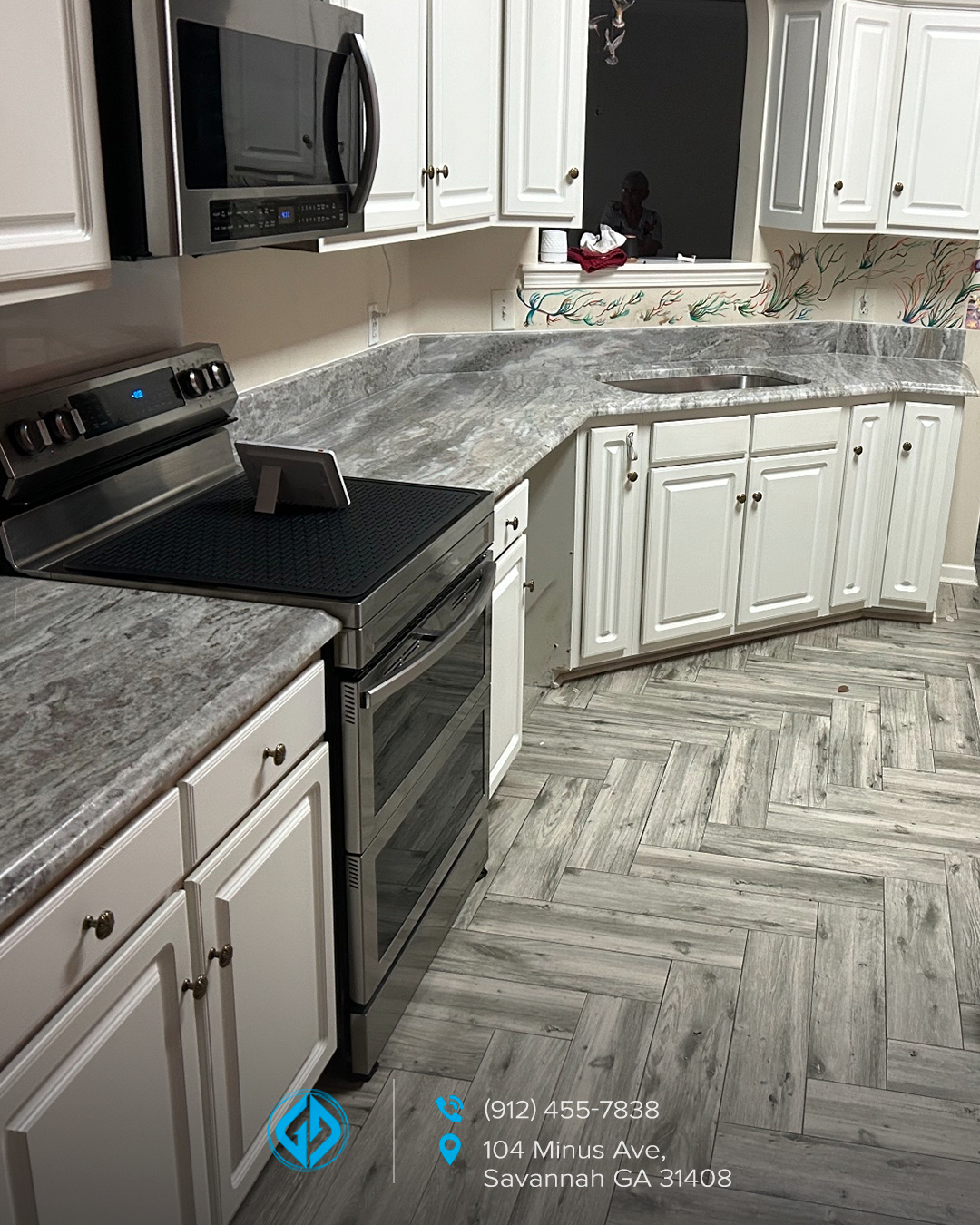
Granite is one of the most popular natural stones for kitchen countertops, but not all granite slabs offer the same qualities. The best granite is durable, has a consistent structure, suits your design preferences, and fits your budget. However, the right choice depends on how you plan to use the surface and what matters most to you: strength, appearance, maintenance, or price.
When comparing granite options, it is important to look beyond color and pattern. A beautiful slab should also have good structural integrity, a suitable finish, and no significant defects that could affect its performance.
At Granite Depot of Savannah, we help homeowners explore natural stone options and select countertops that work for their kitchens, bathrooms, and other interior spaces. Understanding granite grades and quality indicators can make your selection process much easier.
What Makes One Granite Quality Better Than Another?
The best-quality granite combines durability, low porosity, structural integrity, and an attractive appearance. A higher price does not automatically mean better performance, so it is worth inspecting the actual slab rather than relying only on its grade or color.
Granite is a natural igneous rock formed as molten material cools beneath the Earth’s surface. Its mineral composition and geological formation influence its color, grain size, density, and pattern.
When evaluating granite, pay attention to these characteristics:
- Structural integrity: Look for slabs without major cracks, deep fissures, or weak areas.
- Density: Denser granite generally absorbs less moisture and may be easier to maintain.
- Porosity: Less porous stone is typically more resistant to liquid absorption and staining.
- Color consistency: Check whether the slab has the appearance you want across the entire surface.
- Finish quality: Polishing or honing should be even, without obvious defects.
- Thickness: Common countertop thicknesses include approximately 2 cm and 3 cm, with 3 cm often preferred for a substantial appearance.
The best slab is not necessarily the most expensive one. A well-selected mid-range granite can be an excellent long-term investment for a busy kitchen.

What Are the Different Grades of Granite?
Granite is commonly marketed in categories such as Level 1, Level 2, and Level 3 or higher. These labels are often used by suppliers to distinguish slabs by appearance, rarity, origin, and market price, rather than by a universal technical grading standard.
This distinction is important because one supplier’s Level 2 granite may not be directly comparable to another supplier’s Level 2 selection. Always ask what the grade represents and inspect the individual slab.
Here is a general comparison:
| Granite category | Typical characteristics | Approximate material price per sq. ft. |
|---|---|---|
| Level 1 / Entry-level | More common colors, relatively simple patterns | $30–$50 |
| Level 2 / Mid-range | More variation in color and movement | $50–$70 |
| Level 3 / Premium | More distinctive patterns and less common colors | $70–$100 |
| Exotic / Specialty | Rare colors, dramatic veining, unusual formations | $100–$200+ |
These are general planning estimates for granite material. Installed prices can be higher because of templating, fabrication, edge profiles, transportation, cutouts, and installation labor. A typical installed granite countertop may range from approximately $40 to $100 or more per square foot, depending on the slab and project.
For homeowners comparing granite companies Savannah, GA, it is useful to ask whether an estimate covers the stone alone or the complete countertop project. A detailed quote makes it easier to compare options accurately.
Which Types of Granite Are Considered High Quality?
High-quality granite comes in many colors and patterns, and the best option depends on your design preferences and practical requirements. Some varieties are popular because of their durability, while others are valued for their distinctive appearance.
Here are several well-known granite styles worth exploring:
What Makes Absolute Black Granite a Popular Choice?
Absolute Black granite is valued for its deep, dark appearance and relatively uniform pattern. It works particularly well in modern kitchens, especially when paired with white cabinets, stainless steel appliances, or light-colored backsplashes.
Its understated appearance makes it versatile, although fingerprints, dust, and water spots can be more noticeable on polished black surfaces. A honed or leathered finish can create a softer look.
Is Black Galaxy Granite a Good Quality Option?
Black Galaxy granite is recognizable by its dark background and small metallic-looking flecks, often associated with gold or copper tones. It can add visual interest without overwhelming the kitchen.
This stone is often used for countertops, islands, and accent surfaces. Its distinctive appearance makes it a popular choice for homeowners who want a darker countertop with more movement than a solid black surface.
Is White Granite a Durable Choice?
White granite can be an excellent option when you want a bright kitchen with the natural variation of stone. Popular varieties include Alaska White, White Ice, and Colonial White.
These stones often feature gray, black, beige, or subtle warmer mineral patterns. Since natural granite varies from slab to slab, it is especially important to view the actual piece before making a decision.
Why Do Homeowners Choose Blue Bahia and Other Exotic Granite?
Exotic granite varieties are known for dramatic colors and unusual mineral formations. Blue Bahia, for example, is famous for its striking blue tones and complex patterns.
These stones can become the focal point of a kitchen island or bathroom vanity. However, exotic granite is usually more expensive and may require a larger material budget.
How Can You Tell if a Granite Slab Is Good Quality?
The best way to assess granite quality is to inspect the slab in person and ask questions about its condition, finish, and maintenance requirements. Photos can help narrow down your choices, but they cannot always show the full variation or small imperfections in natural stone.
During a showroom visit, look for:
- Visible cracks: Check the surface and edges for cracks that may affect structural integrity.
- Fissures: Natural fissures can occur in granite, but ask whether any visible lines are stable and whether they require special attention.
- Uneven polishing: The finish should look consistent under different lighting conditions.
- Resin or filler: Some natural stone slabs are treated to improve their appearance or fill small imperfections. Ask about any treatments.
- Color variation: Compare the full slab rather than choosing based on a small sample.
- Edge condition: Look for chips or damage, especially if the slab will have exposed edges.
It is also helpful to view the slab under lighting similar to your kitchen. A stone that looks warm in a showroom may appear cooler under natural daylight or different indoor lighting.
When visiting granite companies Savannah, GA, ask whether you can select or reserve the specific slab for your project. This helps ensure that the material used for fabrication matches the stone you approved.
Does Granite Thickness Affect Quality?
Yes, thickness affects the appearance, weight, and installation requirements of a granite countertop, although it does not determine the stone’s overall quality by itself. Both 2 cm and 3 cm granite can be suitable for residential projects when properly fabricated and supported.
Here is how the two common options compare:
| Feature | 2 cm granite | 3 cm granite |
|---|---|---|
| Thickness | Approximately ¾ inch | Approximately 1¼ inches |
| Appearance | Slimmer profile | More substantial profile |
| Weight | Lighter | Heavier |
| Support requirements | May require additional support or reinforcement | Often suitable for standard countertop applications, depending on layout |
| Price | Often less expensive | Usually more expensive |
Three-centimeter granite is a popular choice for kitchen countertops because it provides a substantial appearance and may reduce the need for additional edge buildup. However, the right thickness depends on cabinet support, countertop dimensions, and the desired design.
For a large island or an overhang, additional structural support may be necessary regardless of the stone thickness. Your fabricator should evaluate the layout before installation.
What Is the Best Granite Finish for a Kitchen?
The best finish depends on the look you want and how much everyday maintenance you are comfortable with. Polished, honed, and leathered granite each offer a different appearance and surface feel.
Polished granite has a glossy surface that enhances the stone’s colors and mineral patterns. It is a classic choice for kitchens and is generally easy to wipe clean.
Honed granite has a matte or satin appearance. It creates a softer, more understated look, although certain finishes may show fingerprints, oils, or marks more easily.
Leathered granite has a textured surface that adds depth and a natural feel. It is particularly attractive on darker stones, although cleaning textured areas may require a little more attention.
Before choosing a finish, consider your kitchen’s lighting, cabinet color, and daily routine. A polished white granite may brighten a smaller kitchen, while leathered black granite can create a dramatic contrast in a larger space.
How Much Maintenance Does High-Quality Granite Require?
Granite is relatively easy to maintain, but it still needs routine cleaning and, depending on the specific stone, periodic sealing. The amount of care required depends on the slab’s porosity, finish, and any treatments applied during fabrication.
For everyday cleaning, use warm water, a soft cloth, and a cleaner formulated for natural stone. Avoid harsh acidic products such as vinegar or lemon-based cleaners, which may damage certain stone treatments or surrounding materials.
A simple maintenance routine includes:
- Wipe spills promptly, especially oils, wine, and strongly colored liquids.
- Clean the surface with a pH-neutral stone cleaner.
- Use cutting boards instead of cutting directly on the countertop.
- Place hot cookware on trivets rather than relying on the stone’s heat resistance.
- Follow the fabricator’s recommendations for sealing.
Some granite surfaces may need sealing every year or two, while others may require it less frequently. A simple water-drop test can help indicate whether a surface is absorbing moisture, but follow the specific care instructions for your stone.
How Long Does It Take to Get Granite Countertops Installed?
A typical granite countertop project may take approximately one to three weeks from material selection to installation, depending on the availability of the slab, project complexity, and fabrication schedule.
A general timeline looks like this:
| Stage | Estimated timeframe |
|---|---|
| Material selection and consultation | 1–3 days |
| Cabinet preparation and templating | 1–2 days |
| Fabrication | 5–10 business days |
| Delivery and installation | Usually 1 day |
| Plumbing reconnection, if needed | Same day or 1–2 days later |
Custom edges, large islands, multiple seams, and special sink cutouts can affect the schedule. It is best to have cabinets installed and ready before templating begins, as accurate measurements are essential for a proper fit.
At Granite Depot of Savannah, we provide countertop selection, fabrication, and installation services to help homeowners coordinate their projects from material choice to the finished surface.
How Do You Choose the Right Granite Supplier in Savannah?
Choose a supplier that offers a suitable range of materials, clear pricing, and professional guidance throughout the selection and installation process. The quality of the slab matters, but accurate fabrication and installation are equally important.
When comparing granite companies Savannah, GA, consider asking these questions:
- Can I view the full slab before purchasing?
- What does the quoted granite grade mean?
- Are templating, fabrication, and installation included?
- What thickness and edge profiles are available?
- Are sink cutouts and faucet holes included in the estimate?
- What maintenance does this particular stone require?
- How long will fabrication and installation take?
A good supplier should be able to explain the differences between available materials without pressuring you into choosing the most expensive option. You should understand what you are paying for and what services are included.
At Granite Depot of Savannah, we help customers explore granite and other countertop materials, compare designs, and arrange fabrication and installation for their homes.
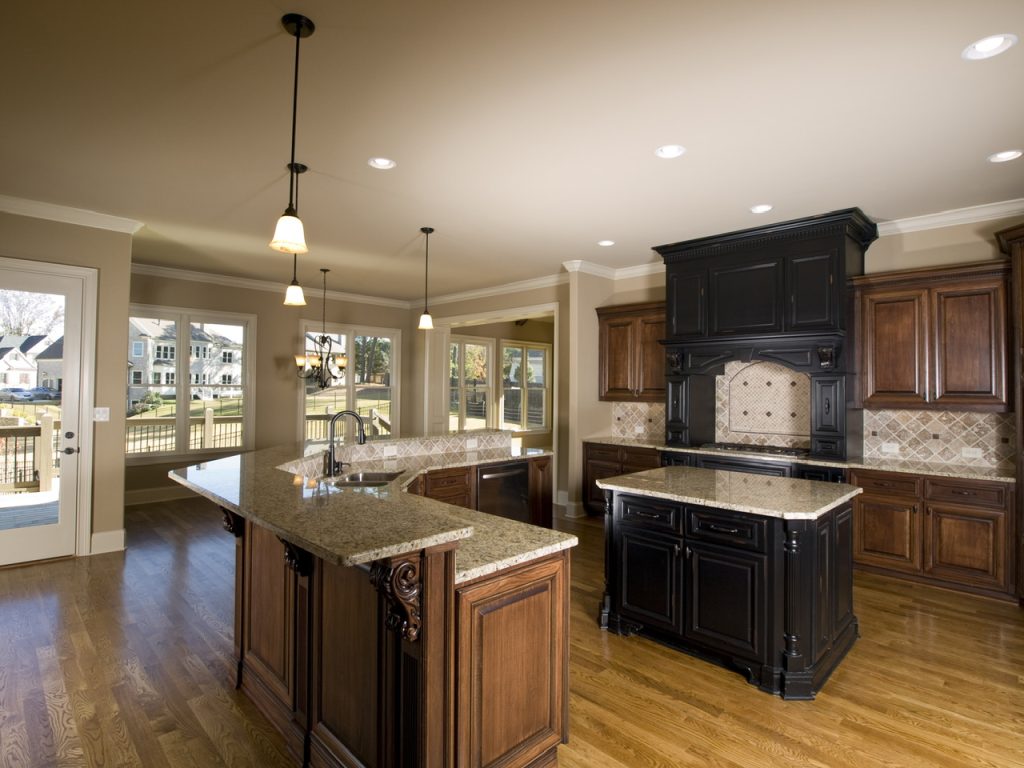
Frequently Asked Questions
Is Level 3 granite better than Level 1 granite?
Not necessarily. Higher-level granite is often more expensive because of its rarity, color, or pattern, but a lower-level slab can still offer excellent durability and performance.
What is the most durable granite color?
Color alone does not determine durability. The stone’s mineral composition, structure, porosity, and condition are more important factors.
Is expensive granite always better quality?
No. A higher price may reflect rarity or appearance rather than superior strength. Always inspect the actual slab and ask about its condition.
How can I tell if granite is porous?
You can ask the supplier about the stone’s porosity and sealing requirements. A water-drop test may also provide an indication of how readily the surface absorbs moisture.
Is 3 cm granite better than 2 cm granite?
Three-centimeter granite offers a thicker, more substantial appearance and may need less edge buildup. However, both thicknesses can work well when the countertop is properly designed and supported.
Does granite need to be sealed every year?
Not always. Sealing frequency depends on the specific stone and its porosity. Follow the fabricator’s care recommendations rather than assuming every granite surface needs annual sealing.
Where can I find granite countertops in Savannah?
You can visit Granite Depot of Savannah to explore countertop materials and discuss your project. Our team provides countertop selection, fabrication, and installation services.
Visit Our Showroom
Granite Depot of Savannah
104 Minus Ave
Savannah, GA 31408
Phone: (912) 455-7838
Stop by our showroom to explore granite colors, compare natural stone options, and find a countertop that complements your home. Our team will be happy to help you plan your next project.